Why Processing Matters for Buyers
Most buyers focus on the finished product — Brix, color, price, packaging. Few ask how the product was made. But the processing decisions made at the factory directly determine the quality of what arrives in your warehouse.
Understanding the production process helps you ask better questions of your supplier, identify red flags in a COA and make sourcing decisions that protect your product quality.
Step 1 — Fruit Sourcing and Orchard Selection
Quality mango pulp starts at the orchard level, before a single fruit enters the factory. The best processors in India work with contracted orchards where harvest timing, maturity standards and fruit handling are agreed in advance.
For Alphonso, the harvest window is narrow — typically six to eight weeks between late April and mid-June, depending on the region and year. Fruit picked too early lacks Brix and aroma. Fruit picked too late is overripe and ferments quickly during processing, producing off-flavors that cannot be removed.
Orchard selection and harvest timing are the most important quality decisions in the entire process. A factory with excellent equipment but poor fruit will not produce good pulp.
Step 2 — Receiving, Sorting and Washing
Fruit arriving at the factory is first inspected for maturity, damage and contamination. Overripe, damaged or diseased fruit is rejected at this stage. This sorting step is critical — damaged fruit introduces microbial load that increases the risk of off-flavors and processing failures even after heat treatment.
After sorting, the fruit is washed with clean water — in well-run factories, treated water with controlled chlorine levels — to remove field dirt, pesticide residues and surface microorganisms. Some processors use a second wash with potable water to ensure full surface cleaning.
Step 3 — Peeling and Pulping
Washed mangoes are peeled and passed through a pulper — a machine that presses the fruit against a screen to separate the edible pulp from the skin, seed and fibrous material. The screen mesh size determines the fiber content of the final pulp. Alphonso pulp is typically low in fiber; Totapuri naturally has more.
The raw pulp at this stage is not yet stable — it is alive with natural enzymes and any surviving surface microorganisms. It must be processed immediately to prevent fermentation and color degradation.
Step 4 — Heat Treatment (Pasteurisation or Sterilisation)
This is the most critical step in aseptic mango pulp production. The raw pulp is rapidly heated to a high temperature for a defined time period to destroy pathogenic microorganisms, yeasts, molds and enzymes that would cause spoilage.
Two approaches are used in the industry:
- Pasteurisation — lower temperature, shorter shelf life, milder impact on flavor
- UHT sterilisation (Ultra High Temperature) — higher temperature, longer shelf life, slightly more impact on fresh aroma
For aseptic mango pulp with a target shelf life of 24 months, UHT or equivalent high-heat treatment is standard. The exact temperature and time combination is defined by the processor's food safety validation — a well-run factory has documented kill-step validation on file.
What heat treatment achieves
Destroys: pathogenic bacteria, yeasts, molds, spoilage organisms
Inactivates: natural enzymes that cause browning and flavor degradation
Enables: ambient temperature storage for up to 24 months (sealed)
Does not remove: chemical residues — these must be controlled at orchard level
Step 5 — Homogenisation
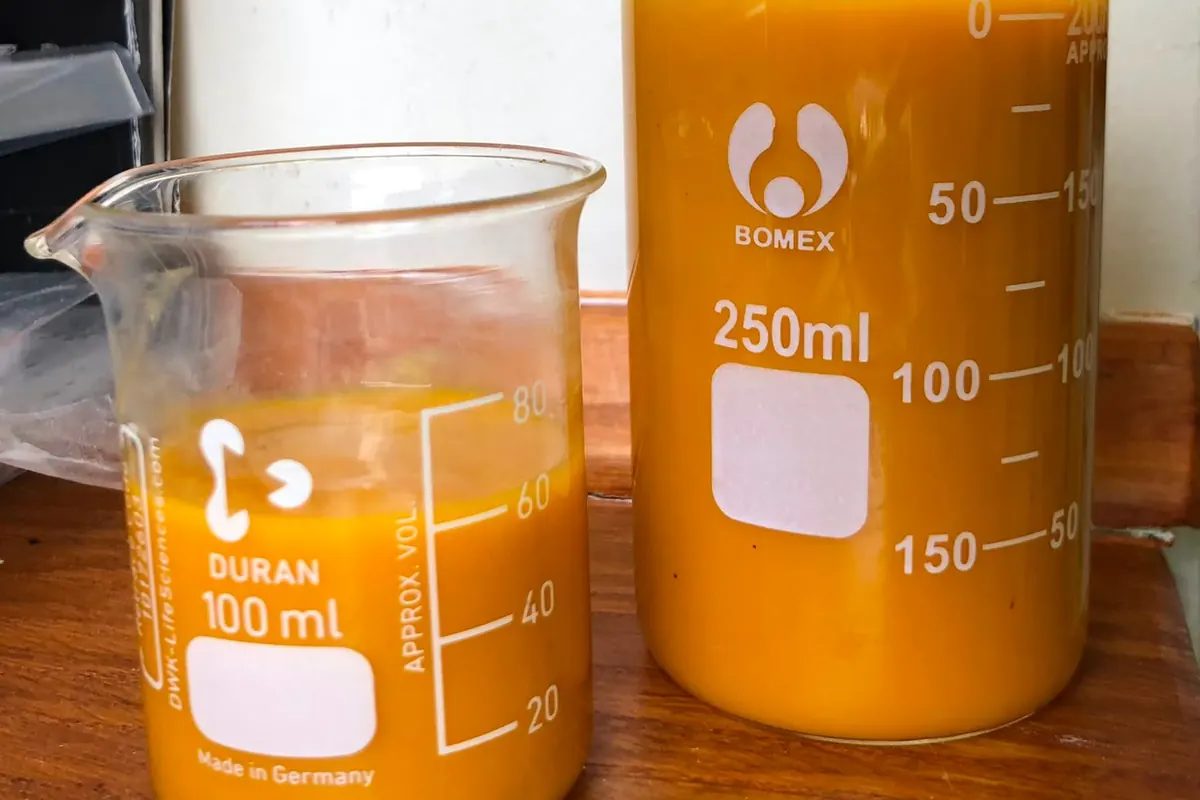
After heat treatment, the pulp passes through a homogeniser that breaks down any remaining fibrous particles and produces a smooth, consistent texture. This step is particularly important for Alphonso pulp, where buyers expect a smooth, cream-like consistency without visible fiber.
Homogenisation also improves color consistency across the batch by distributing pigments uniformly through the pulp.
Step 6 — Aseptic Filling
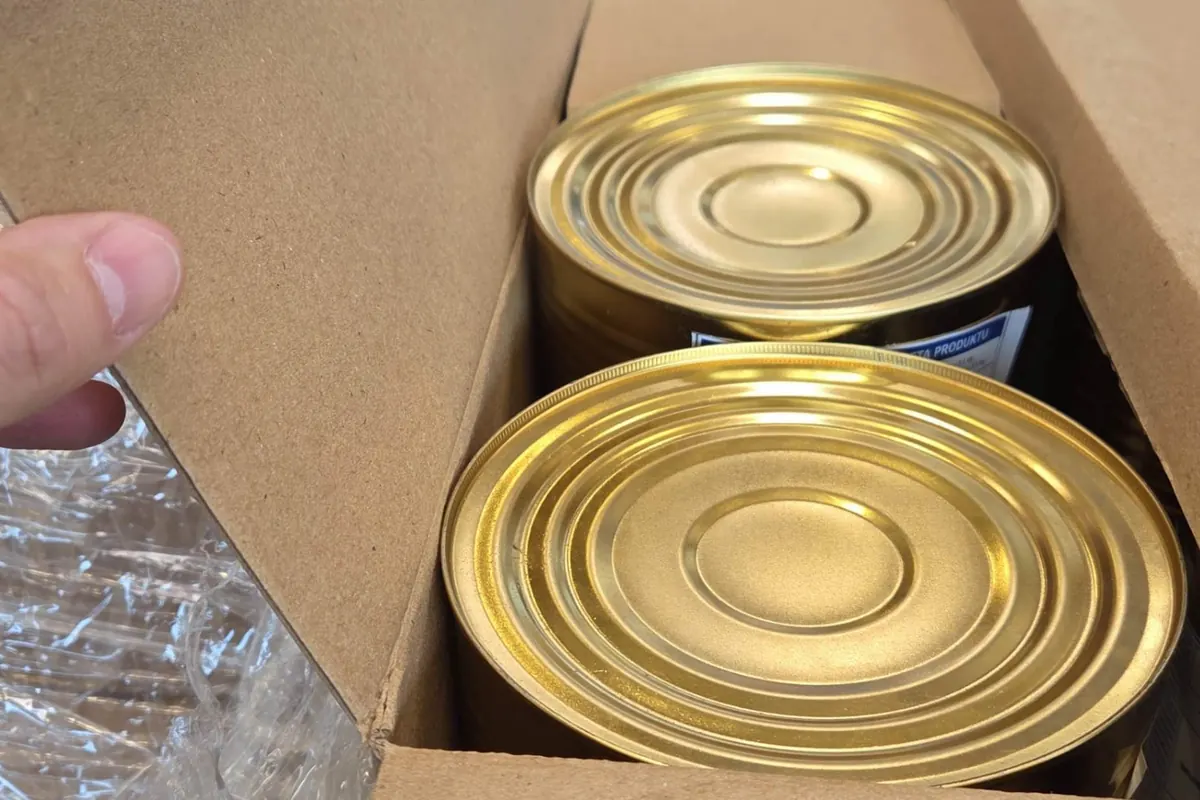
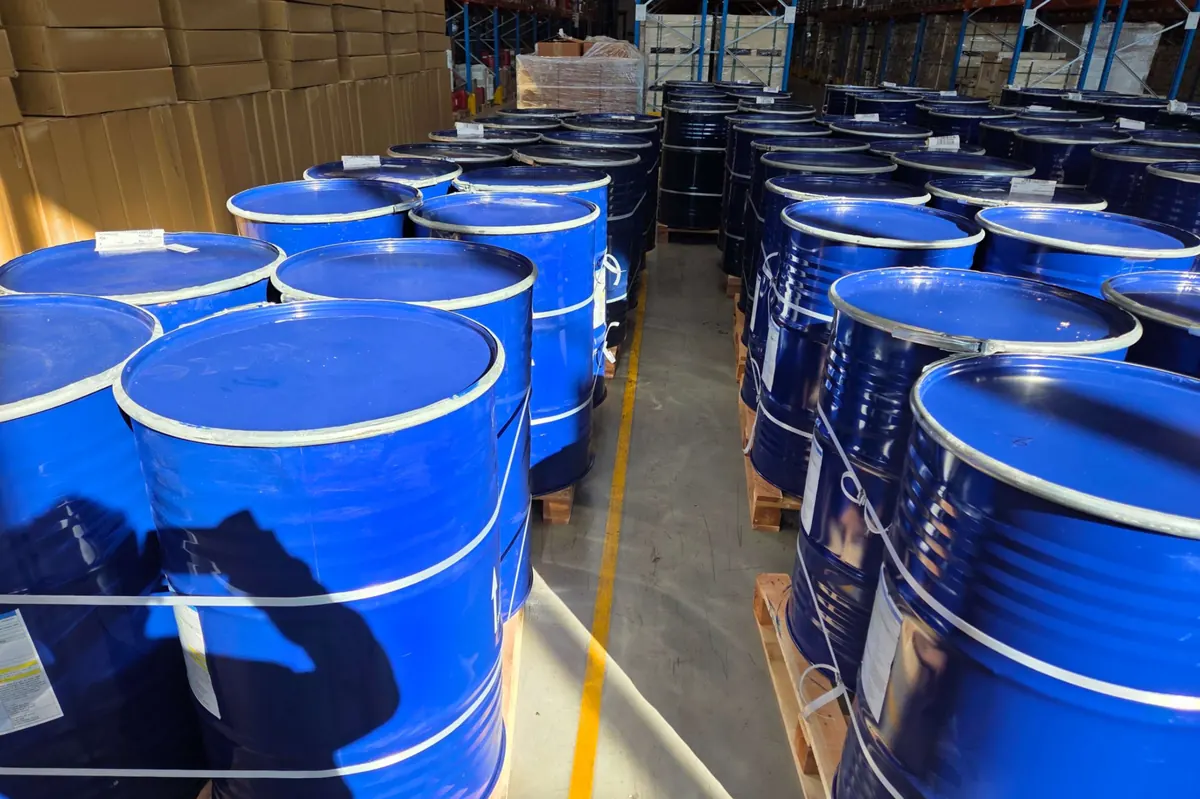
The hot, sterilised pulp is filled into pre-sterilised packaging in a controlled aseptic environment — no contact with outside air, no non-sterile surfaces. The packaging (drum liner bag or bag-in-box) is sterilised separately using hydrogen peroxide or heat before filling begins.
The filled and sealed package is then cooled and moved to ambient storage. From this point, the product is shelf-stable for up to 24 months as long as the packaging integrity is maintained.
Any breach of the aseptic environment during filling — contaminated packaging, equipment that was not properly cleaned, temperature fluctuations in the filling line — introduces risk that cannot be detected from the outside. This is why factory audits and relationship with known processors matter in serious sourcing.
Step 7 — Quality Control and COA
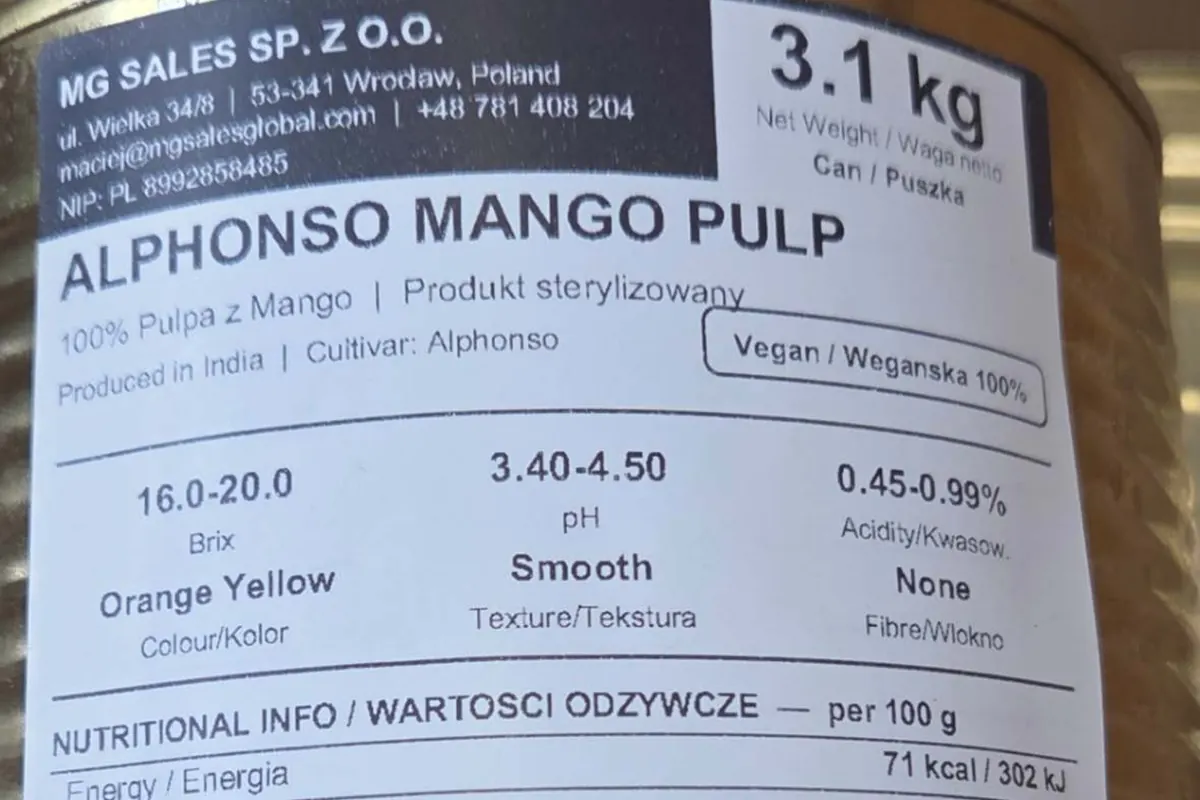
After filling, a sample from each batch is tested in the factory laboratory. A Certificate of Analysis (COA) is issued per batch, documenting:
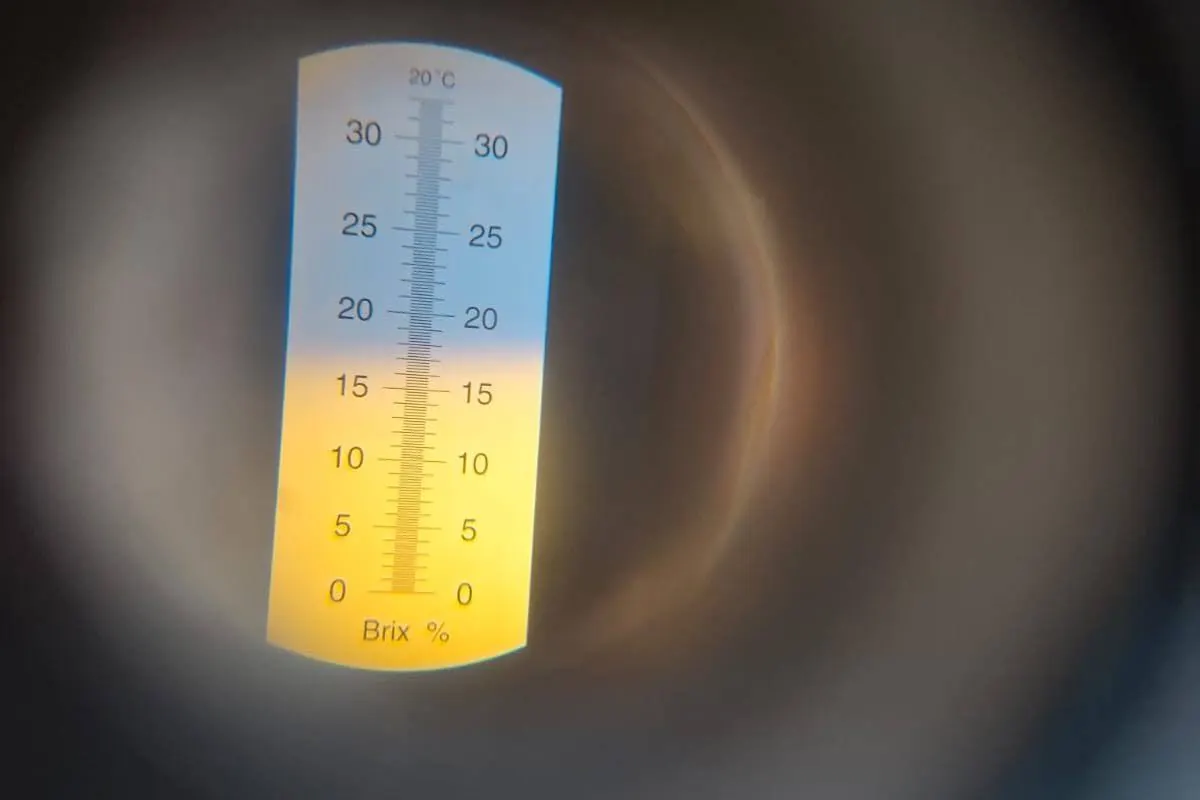
- Brix (°Bx)
- Acidity (%)
- pH
- Color (visual assessment or measured)
- Total plate count (TPC)
- Yeast and mold count
- Production date and batch number
A COA from a serious factory will show microbiological counts below detection limits — confirming that the heat treatment was effective. High TPC or yeast/mold counts on a COA from an aseptically processed product indicate a processing failure.
Where MG SALES Fits In This Process
We do not own processing facilities. We work as an importer — sourcing from processors we know and have verified directly. Our QC team in India is present during the season to evaluate batches before they are purchased.
We check Brix, acidity and sensory quality on the actual lot. We review the factory COA and compare it against our own measurements. If the batch does not meet our standard, we do not buy it.
This means that by the time a drum or bag-in-box arrives in our warehouse in Poland, it has been verified at source — not just accepted based on paperwork.
Frequently Asked Questions
How is mango pulp made?
Fresh mangoes are washed, sorted, peeled and pulped. The raw pulp is heat-treated to destroy microorganisms, homogenised for consistency and filled into aseptic packaging under sterile conditions. No preservatives are added in 100% natural mango pulp.
What is aseptic processing in mango pulp production?
The pulp is heat-treated and filled into pre-sterilised packaging in a sterile environment, with no air contact. This allows storage at ambient temperature for up to 24 months without refrigeration, as long as the seal is intact.
Where in India is mango pulp processed?
Alphonso is processed mainly in Maharashtra (Ratnagiri, Devgad). Totapuri in Andhra Pradesh and Karnataka.
Is mango pulp from India natural?
100% natural mango pulp contains only mango — no added sugar, preservatives or flavoring. Always check the ingredient list and COA. Some products labeled as mango pulp contain additives.
What quality checks are done during mango pulp processing?
Fruit sorting, Brix and acidity measurement, pH check, color assessment, microbiological testing and seal integrity verification. A batch COA documents all results.
Related Pages