The Short Answer
Sealed aseptic mango pulp lasts up to 24 months at ambient temperature. Once opened, it must be refrigerated and used within 3 to 5 days. No refrigeration is needed before opening.
The rest of this guide explains why — and what conditions affect shelf life in practice.
Who This Guide Is For
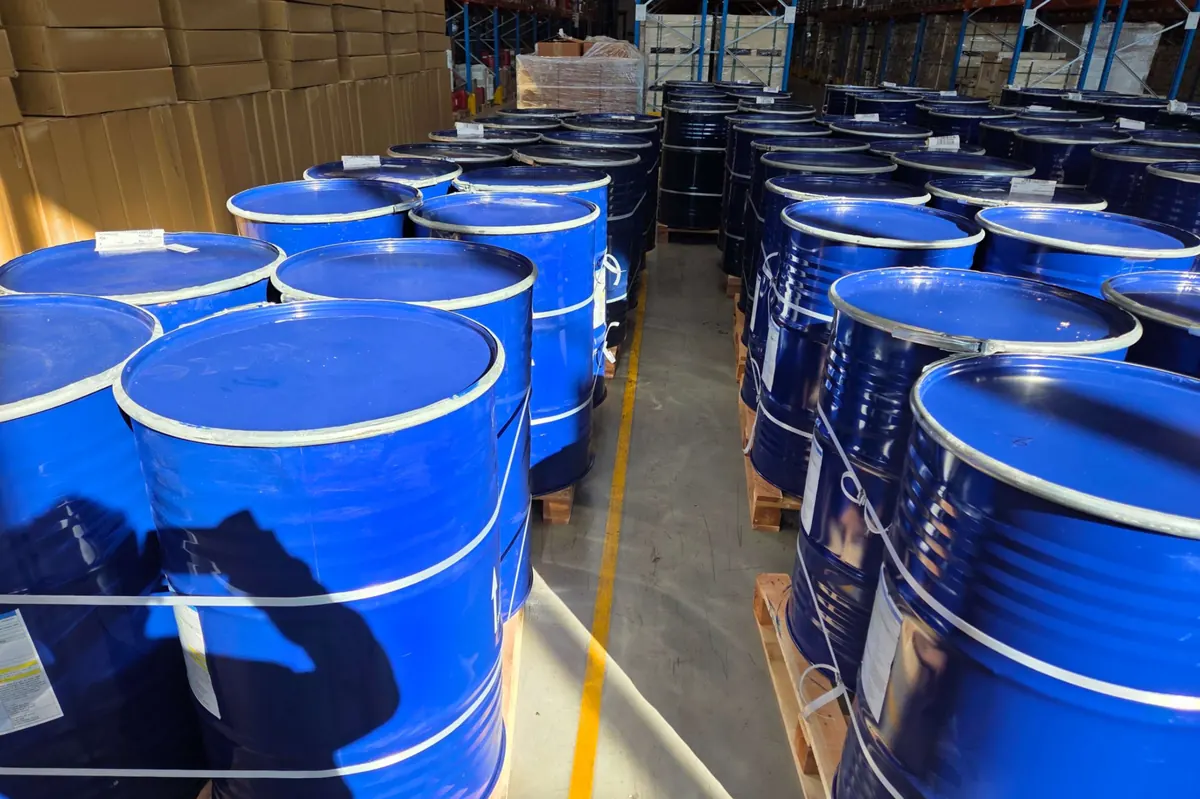
This guide is written for buyers and operations teams handling aseptic mango pulp in bulk formats — drums and bag-in-box.
- Procurement managers — verifying shelf life before placing or receiving an order
- Warehouse and logistics teams — setting correct storage conditions on receipt
- QC and food safety staff — checking packaging integrity and spoilage signs
- Production planners — for ice cream, sorbet, smoothie and beverage manufacturing — deciding how to handle product after opening
Shelf Life — Sealed Product
The 24-month shelf life of aseptic mango pulp is based on the assumption that the packaging remains intact and the product is stored correctly. It is not a guarantee regardless of conditions.
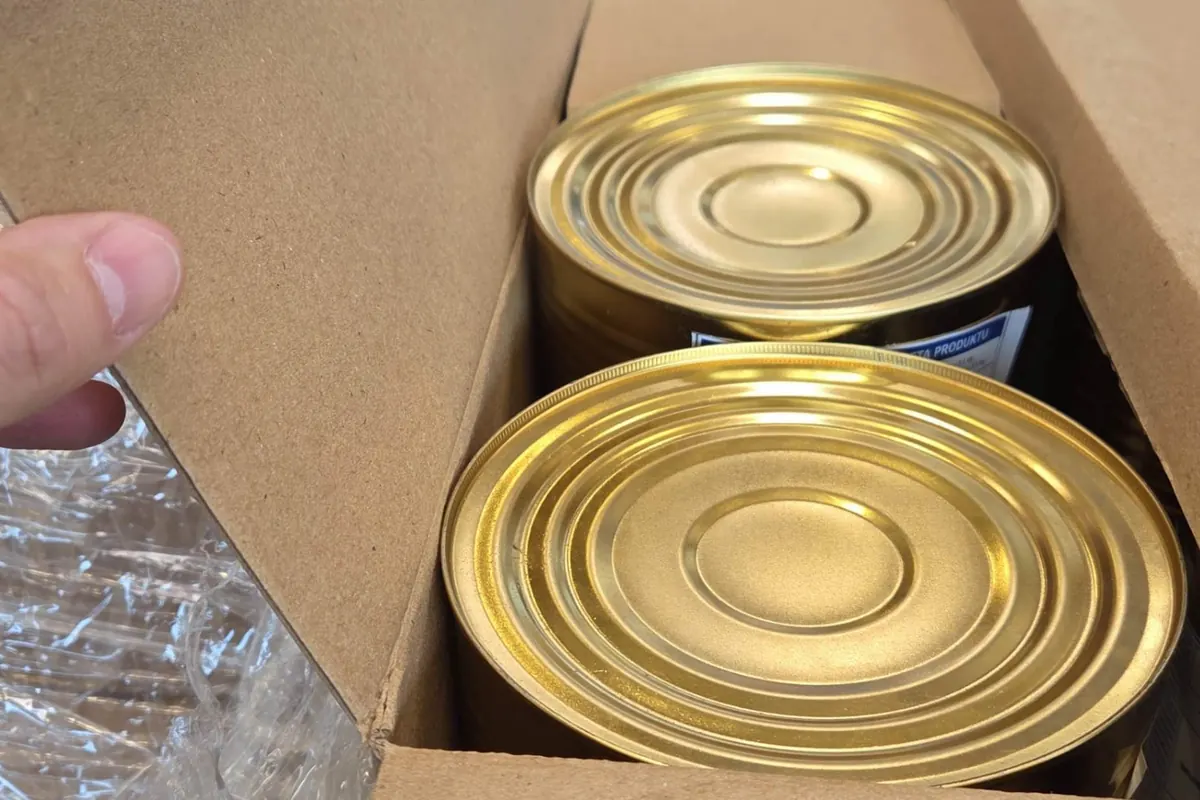
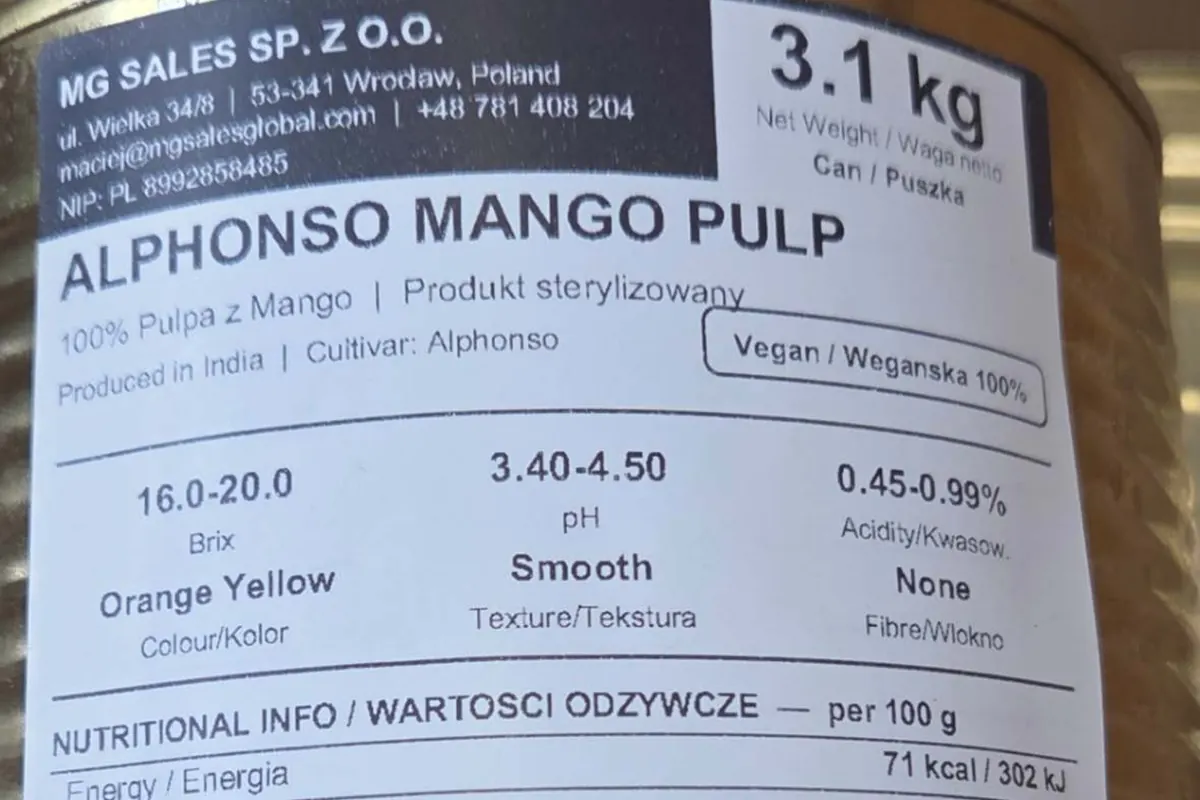
| Condition | Aseptic drum (200–228 kg) | Bag-in-box (20 kg) | Can (3.1 kg, Alphonso) |
|---|---|---|---|
| Shelf life (sealed) | Up to 24 months | Up to 24 months | Up to 24 months |
| Storage temperature | Ambient, 10–25°C | Ambient, 10–25°C | Ambient, 10–25°C |
| Refrigeration needed? | No (sealed) | No (sealed) | No (sealed) |
| Direct sunlight | Avoid | Avoid | Avoid |
| Max temperature | Below 30°C recommended | Below 30°C recommended | Below 30°C recommended |
| After opening | Refrigerate, use within 3–5 days | Refrigerate, use within 3–5 days | Refrigerate, use within 2–3 days |
What Affects Shelf Life Before Opening
Temperature
Heat is the primary enemy of sealed aseptic mango pulp. Storage above 30°C accelerates natural chemical reactions in the pulp — color darkens, flavor dulls and the characteristic fresh mango aroma fades — even without any microbial activity. This is called non-enzymatic browning (Maillard reaction) and it cannot be reversed.
Ideal storage temperature is between 10°C and 25°C. Warehouses in Central and Northern Europe are typically within this range year-round. For buyers in warmer climates — West Africa, South and Southeast Asia — temperature-controlled storage is strongly recommended, especially for premium Alphonso pulp where flavor impact matters.
Direct Sunlight
UV radiation accelerates oxidation and color degradation. Even through opaque packaging, prolonged exposure to direct sunlight raises surface temperature significantly. Store in a covered, shaded warehouse — not in open container yards or near south-facing windows.
Packaging Integrity
The 24-month shelf life depends entirely on the aseptic seal remaining intact. A pinhole in the bag, a damaged drum liner or a poorly crimped seal can allow oxygen and microorganisms to enter — ending the shelf life immediately. Inspect packaging on receipt for visible damage, dents, swelling or leakage. Swelling of the inner bag inside a drum is a serious warning sign of microbial activity.
Humidity (Bag-in-Box)
The outer cardboard box of a bag-in-box format provides structural support but is not waterproof. High humidity storage weakens the cardboard, which can lead to handling damage and eventual bag puncture. Store bag-in-box product in dry conditions.
After Opening — What Changes
The moment the aseptic seal is broken, oxygen enters. The product transitions from a shelf-stable state to a perishable one. This is irreversible.
After opening, the following processes begin:
- Oxidation — color darkens, flavor changes
- Microbial activity — any airborne yeasts, molds or bacteria can colonise the open product
- Enzyme reactivation — some residual enzyme activity may resume at refrigeration temperatures
Refrigeration at below 4°C slows all these processes significantly but does not stop them. Use within 3 to 5 days after opening for drums and 20 kg aseptic bag-in-boxes. For 3.1 kg cans, aim to use within 2 to 3 days.
After opening — handling protocol
Transfer immediately to a sealed, food-safe container if not using the full unit
Refrigerate immediately at below 4°C
Label with opening date — track the 3–5 day window
Do not return unused product to the original drum or bag after exposure
Do not leave open at room temperature during production breaks
Can Mango Pulp Be Frozen?
Yes — but with trade-offs. Freezing after opening extends shelf life significantly, but ice crystal formation during freezing damages the cellular structure of the pulp. After thawing, the texture becomes more watery and the pulp may separate.
For applications where texture is critical — ice cream, sorbets, thick smoothies — the texture change after freeze-thaw may be acceptable or may not, depending on your formulation and the ratio of pulp to other ingredients. Test before committing to freezing as a routine practice.
If you do freeze, freeze in portion sizes matched to a single production run. Avoid repeated freeze-thaw cycles — each cycle degrades quality further.
How to Check If Mango Pulp Has Gone Bad
Spoiled mango pulp shows clear signs — do not use product that displays any of these:
- Off or fermented smell — the most reliable indicator. Fresh mango pulp smells clean and fruity. Fermentation smells sharp, alcoholic or sour in an unpleasant way.
- Significant browning — some natural color variation is normal, but strong browning or darkening beyond the expected range indicates quality degradation.
- Visible mold — any mold growth means the product must be discarded entirely.
- Gas or swelling — in a sealed drum or bag, swelling indicates microbial activity and packaging failure. Do not open — dispose safely.
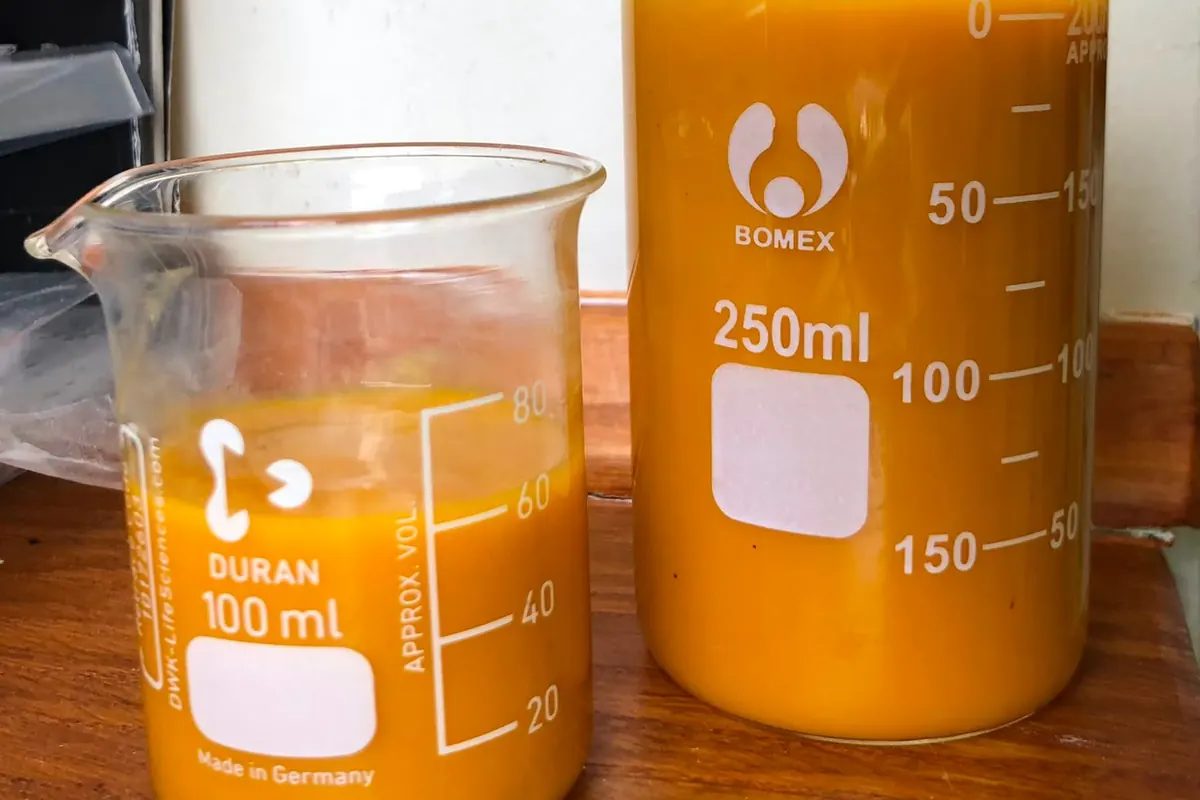
- Unusual texture — excessive separation or watery consistency beyond normal settling may indicate processing failure or prolonged storage under poor conditions.
When in doubt, do not use. The cost of discarding a questionable unit is far lower than the risk of a production batch failing or a food safety incident.
Shelf Life From Production vs From Purchase
The 24-month shelf life runs from the production date — not from the date you purchase or receive the product. A drum produced in May 2026 has a best-before of May 2028, regardless of when it was sold.
When ordering mango pulp, always ask for the production date and remaining shelf life. For buyers who turn over stock quickly, this may not matter much. For buyers who import in bulk and store for several months, receiving product with only 6 to 8 months remaining shelf life creates a problem.
MG SALES provides the production date and COA for every batch before delivery on request. We do not ship product with less than 12 months remaining shelf life without explicit buyer confirmation.
Frequently Asked Questions
How long does aseptic mango pulp last?
Up to 24 months from the production date, sealed, stored at ambient temperature away from sunlight and heat above 30°C. After opening, refrigerate and use within 3 to 5 days.
What temperature should mango pulp be stored at?
Sealed: ambient temperature, ideally 10–25°C, away from direct sunlight. After opening: refrigerate below 4°C, use within 3 to 5 days.
Can mango pulp be frozen?
Yes, but freezing affects texture after thawing. The pulp becomes more watery. For ice cream and sorbets, test before committing. Freeze in single-use portions and avoid repeated freeze-thaw cycles.
How do I know if mango pulp has gone bad?
Off or fermented smell, significant browning, visible mold, swelling of sealed packaging or unusual texture separation are all signs of spoilage. When in doubt, do not use.
Does mango pulp need to be refrigerated?
Sealed aseptic product does not need refrigeration. Refrigeration is required only after opening — immediately and continuously until the product is used.
Related Pages