Custom blending — NFC apple juice with tropical fruit pulps
We blend NFC apple juice with tropical fruit pulps in an aseptic facility in Poland. Small series from 1 pallet. Aseptic bag-in-box or glass bottle. Your label or ours.
- NFC apple + mango (Totapuri) — balanced, golden colour
- NFC apple + guava — mild, versatile base
Why choosing the right tropical pulp matters
The same pulp that works well in a beverage can behave very differently in a sorbet or a milk-based ice cream. Frozen desserts are sensitive to the sugar content, acidity and fibre structure of the fruit base in ways that ambient-temperature products are not. A high-acidity pulp that gives freshness to a drink can make a gelato base taste sharp and unbalanced. A low-Brix pulp that works fine in a smoothie may require significant added sugar to reach the sorbet target, which changes both the cost and the flavour character.
Choosing the right tropical pulp is not only a flavour decision — it affects product structure, production ease and the amount of correction needed in the formulation to reach your target texture, sweetness and shelf stability.
Four factors that matter most
Colour and visual profile
Colour is the first consumer signal in a frozen dessert display. Alphonso mango delivers the classic premium tropical yellow that consumers associate with quality. White guava is neutral — cream-coloured flesh that does not interfere with a dairy base or a multi-colour recipe. Red or pink guava, pineapple and papaya all add visible colour impact, which can be an asset in sorbet lines and tropical product concepts but requires more control in dairy-based ice cream where colour consistency matters.
Brix and sweetness
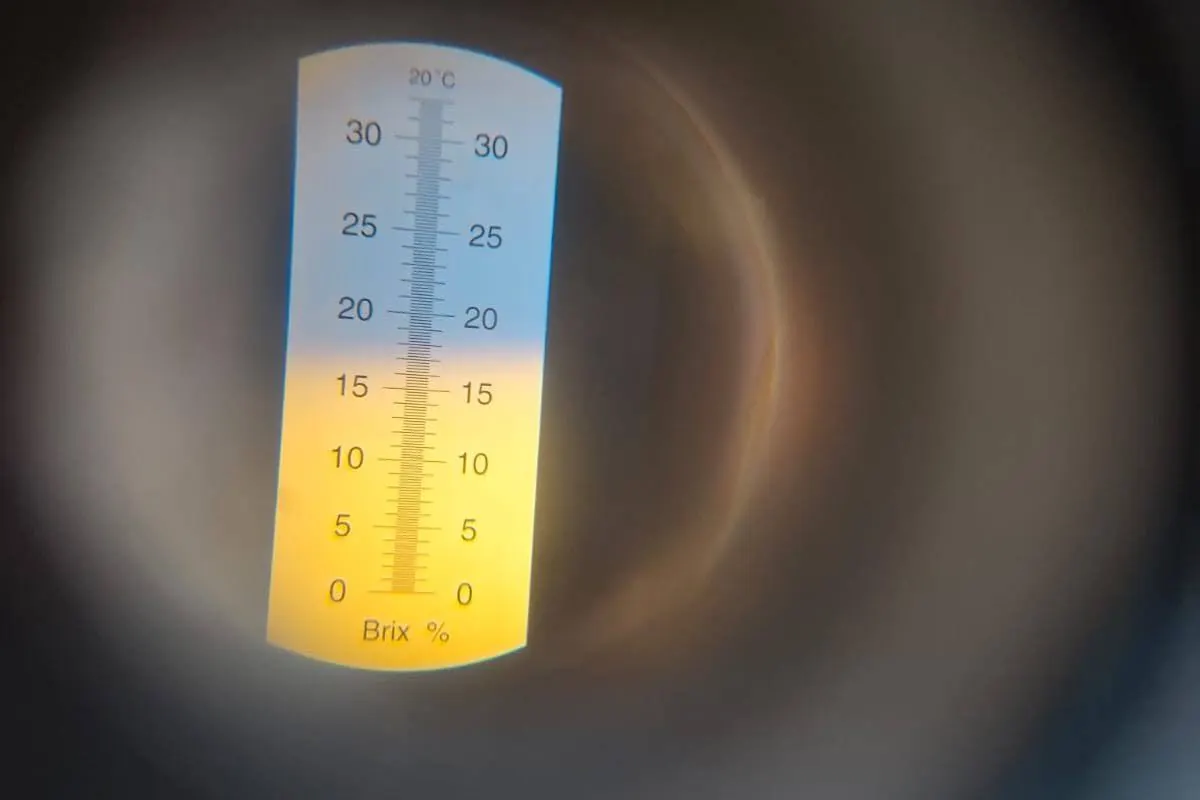
Higher Brix in the pulp means more dissolved sugars, which affects both flavour intensity and the freezing behaviour of the finished product. In sorbet, Brix is a direct formulation parameter — most producers target a specific range (typically 28–32°Bx in the finished product) for optimal scoopability and structure. Starting with a higher-Brix pulp reduces the amount of added sugar needed, which preserves more of the natural fruit character and can support clean-label positioning. Lower-Brix pulps require more sugar addition to reach the same target.
Acidity and aroma
Higher acidity adds freshness and brightness — useful in sorbets and water-based frozen formats, where it reads as a clean tropical note. In milk-based ice cream and gelato, the same acidity level can create sharpness and compete with dairy fat and protein. Mango and banana sit at the milder end; pineapple and passion fruit are at the sharper end. White guava is mild enough to integrate into dairy bases without disruption. Aroma intensity follows a similar logic: guava and pineapple are more aromatic than mango at equivalent concentrations, which means smaller additions have a larger flavour impact.
Texture and fibre content
Banana puree and papaya pulp are naturally smooth and add body and creaminess to the base. Guava pulp contains more fibre — fine straining may be needed depending on the target texture and equipment. In sorbet, some natural fibre is acceptable and adds mouthfeel. In premium gelato or soft-serve ice cream, a finer pulp is usually preferable to avoid any graininess in the finished product.
Mango pulps – the safest starting point
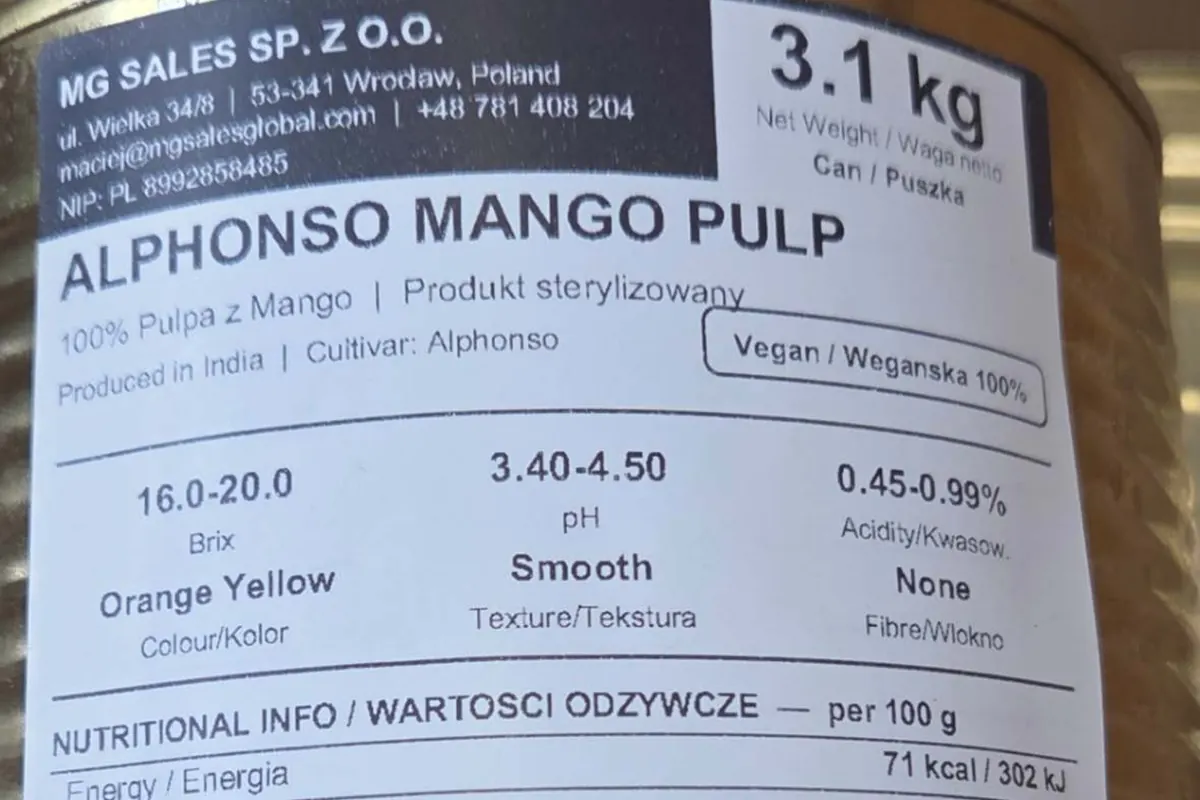
Alphonso mango pulp
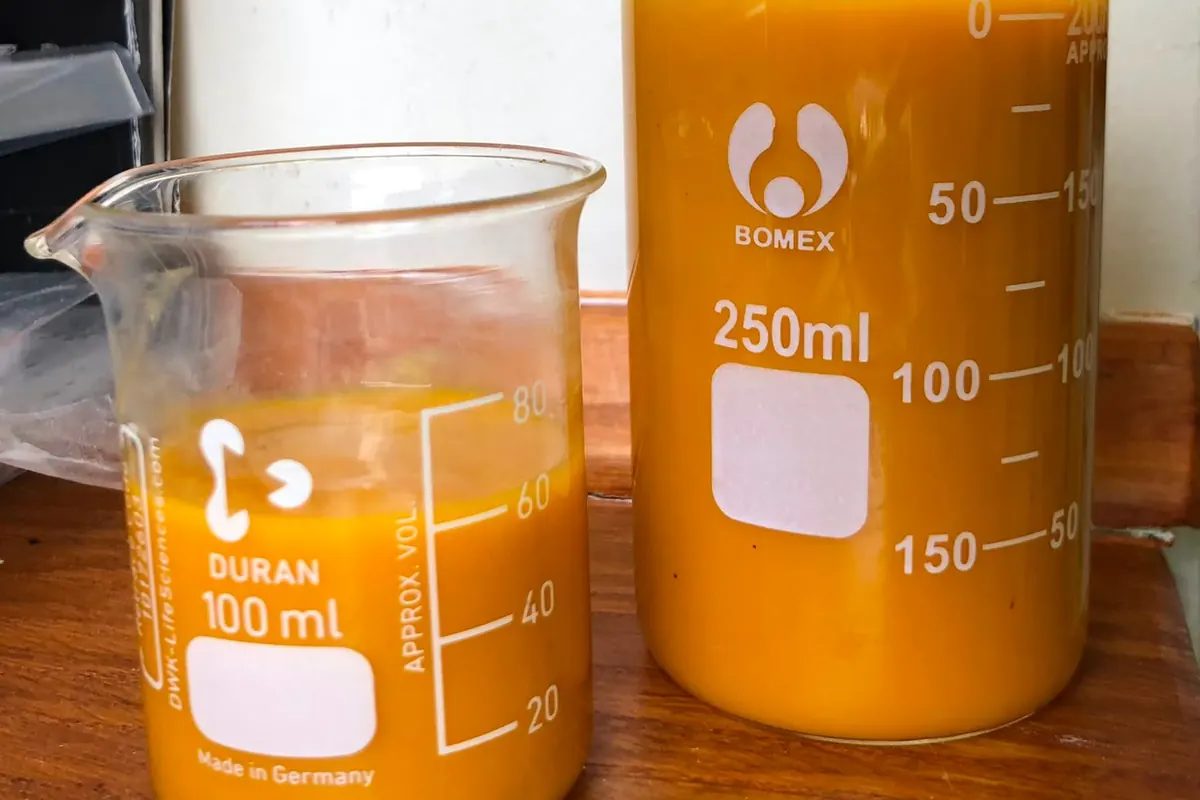
Alphonso is the benchmark for premium positioning. Its naturally higher Brix, intense flavour and deep golden colour make it the default choice for premium ice cream, artisan gelato and high-end sorbet lines. It also works well as the base in tropical blends — its strong flavour profile anchors the blend while a secondary pulp (guava, pineapple) adds complexity.
Totapuri mango pulp
Totapuri is more functional than sensory. It has a milder flavour profile and moderate Brix, making it well suited to beverage applications and price-sensitive ice cream formulations where mango flavour is required but premium positioning is not the priority. In sorbets it works well as a blend component, particularly when combined with pineapple or passion fruit for freshness.
When mango is the best choice
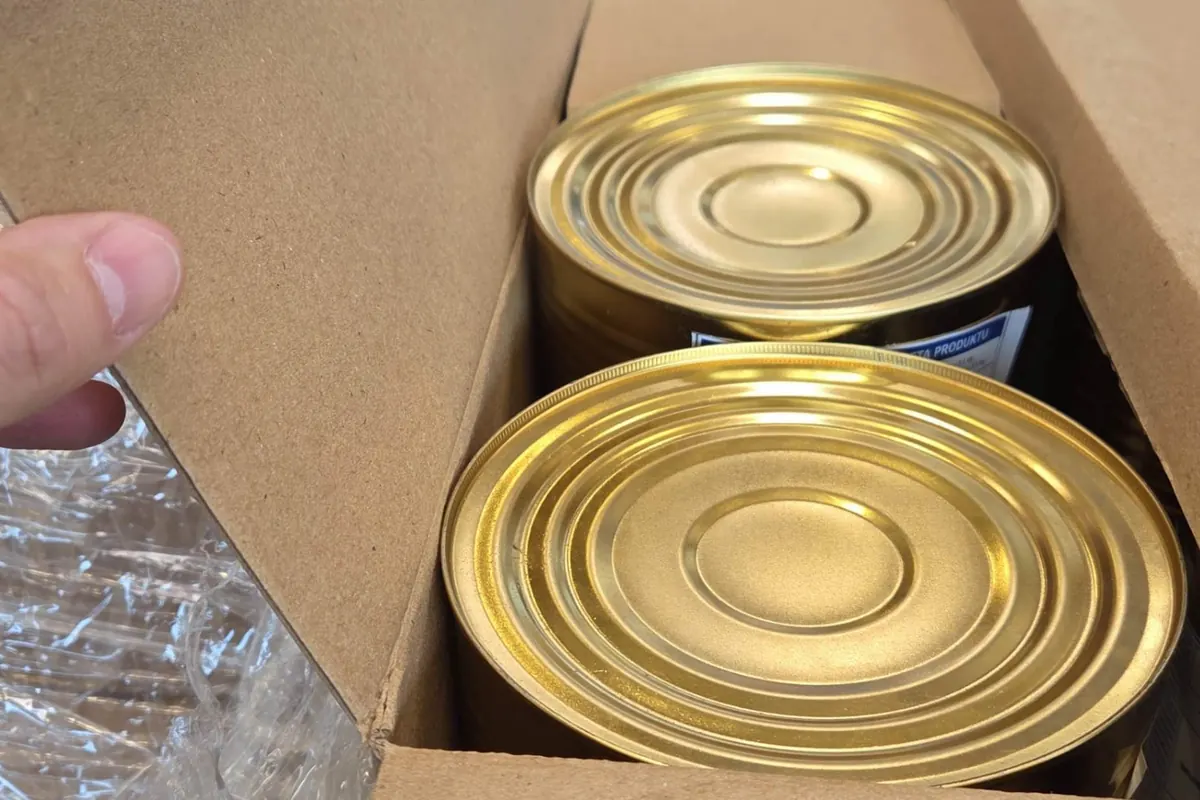
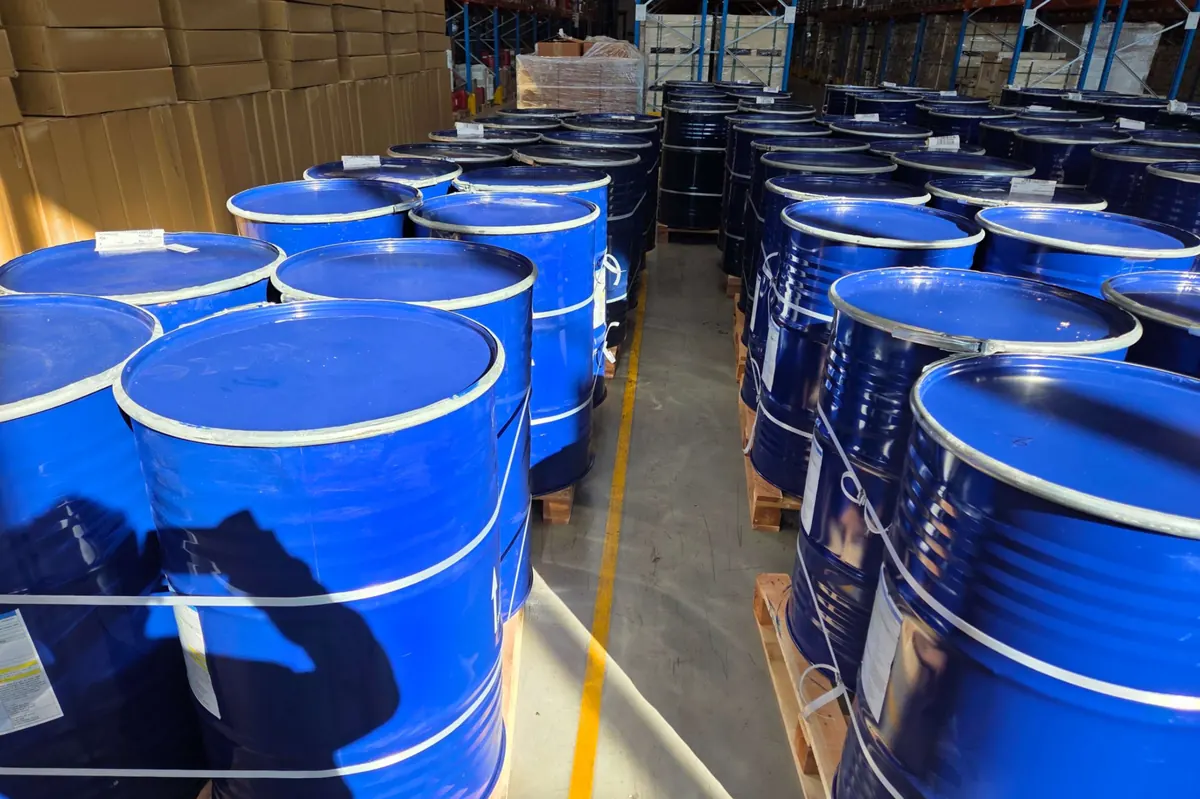
Mango is the natural starting point when you want a recognisable tropical bestseller with broad consumer appeal. Use Alphonso when mango is the hero and the product is positioned as premium. Use Totapuri when mango is one ingredient among several or when cost per litre is a primary constraint. Both are available from MG SALES in 20 kg aseptic bag-in-boxes and aseptic drums (200–228 kg) from stock in Poland.
Where guava fits best
White guava pulp
White guava has a cream-coloured flesh, mild aroma and low visual impact. It is the preferred choice for dairy-based ice cream and light-coloured recipes where you do not want the pulp to dominate the colour profile. It integrates well into mango blends and works as a supporting flavour that adds tropical complexity without competing with the base.
Pink guava pulp
Pink guava delivers a stronger pink-to-red colour and a more intense tropical aroma. It is suited to sorbet lines, tropical ice lolly formats and products where visible colour is part of the consumer concept. At higher inclusion rates it can carry a product on its own; in blends it adds both colour and aroma impact.
Guava in blends
A 70% mango / 30% white guava ratio is a reliable starting point for mango–guava ice cream and gelato. Below 30%, the guava note is subtle; above 30%, it becomes the dominant aroma. See our dedicated guide on mango–guava blend ratios for ice cream and beverages for more detail on how proportions affect flavour, colour and Brix.
Papaya, banana and pineapple in frozen desserts
Papaya
Red papaya pulp has a smooth texture, mild tropical flavour and a warm orange-red colour. Its gentle profile makes it well suited to breakfast-positioned frozen formats — frozen yoghurt, breakfast smoothie bars, dairy dessert lines — where a subtle tropical note is preferred over a polarising one. It blends well with mango and pineapple.
Banana
Banana puree adds body, natural sweetness and smoothness. It is one of the few tropical pulps that integrates easily into dairy-based ice cream without disrupting the cream structure. It is effective in kids-oriented lines, smoothie-inspired frozen products and as a texture modifier in blends where other pulps are too thin or acidic on their own.
Pineapple
Pineapple brings sharp natural acidity and a clean, bright tropical aroma. In sorbets it works well as a standalone or in tropical blends with mango and papaya. Its acidity makes it less suited to milk-based products unless the formulation compensates, but in water-based frozen formats it is one of the most effective tropical flavours for freshness and impact.
Which pulp fits which application
| Product | Colour | Profile | Best fit | Typical use |
|---|---|---|---|---|
| Alphonso Mango | Rich yellow | Sweet, premium | Ice cream, gelato | Premium mango recipes |
| Totapuri Mango | Yellow | More functional | Sorbet, blends | Industrial mango base |
| White Guava | Light cream | Mild, aromatic | Dairy, gelato | Neutral-colour products |
| Pink Guava | Pink / red | Stronger aroma | Sorbet, drinks | Fruit-forward concepts |
| Papaya | Orange-red | Smooth, soft | Frozen yoghurt | Breakfast-style products |
| Banana | Beige / cream | Creamy, sweet | Dairy desserts | Body and texture support |
| Pineapple | Yellow | Fresh, acidic | Sorbet, blends | Bright tropical lines |
Profiles are application-oriented. Exact Brix and acidity confirmed per batch COA on request.
Three practical starting points
Premium mango gelato
Start from Alphonso mango pulp as the base. Its natural Brix, colour and flavour intensity carry the product without needing significant flavour additions. This is the lowest-risk starting point for a premium tropical line and the easiest to position commercially.
Mango–guava ice cream
Start from a 70% Alphonso / 30% white guava blend. The guava adds an exotic aromatic note that differentiates the product from a standard mango line without introducing colour or acidity challenges. This blend works in both dairy ice cream and gelato formats.
Pineapple-forward sorbet
Start with pineapple as the primary flavour, complemented by Totapuri mango for body and a small percentage of papaya for smoothness. The pineapple drives the fresh tropical acidity; mango and papaya prevent the profile from reading as too sharp. This is a strong option for water-based sorbet lines targeting a bright, refreshing tropical character.
Start with 20 kg aseptic bag-in-box before scaling up
For gelato labs, artisan producers and smaller frozen food developers, the 20 kg aseptic bag-in-box is the practical entry point (minimum order 200 kg). It allows you to test several flavours in parallel — mango, guava, papaya, banana, pineapple — without committing to full drum or pallet volumes before your formulations are confirmed.
Once recipes are validated and production volumes are predictable, MG SALES can supply the same pulps in aseptic drums (200–228 kg) or organise direct mixed shipments from India for larger industrial programmes.
Frequently asked questions
Alphonso mango pulp is the standard choice for premium gelato. Its naturally higher Brix, intense flavour and deep golden colour create strong consumer recognition. For a more complex tropical profile, a 70% Alphonso mango / 30% white guava blend adds an aromatic layer while keeping the colour stable.
White guava works well in both. In milk-based ice cream it acts as a supporting flavour at 20–30% alongside mango — its neutral colour and mild aroma integrate without disrupting the dairy base. In sorbet, guava can carry a larger share of the blend or be used solo for a fruit-forward profile. Red or pink guava is better suited to sorbets where visible colour is part of the product concept.
Brix affects both sweetness perception and product behaviour after freezing. Too low a Brix — or a poorly balanced sugar profile — can result in a harder, icier texture in sorbet. Sorbet typically targets 28–32°Bx in the finished product for good scoopability. A higher-Brix pulp like Alphonso mango reduces added sugar needed and preserves more natural fruit character. Lower-Brix pulps require more correction to reach the same structural target.
Pineapple gives the brightest, most acidic tropical profile — strong freshness and a clean aroma that reads as fresh tropical rather than sweet tropical. Red or pink guava delivers strong colour and aromatic intensity. Alphonso mango gives the richest and most universally recognised tropical flavour. If the goal is brightness and freshness, pineapple is the starting point; if the goal is premium depth, Alphonso mango.
Yes. The 20 kg aseptic bag-in-box format is specifically designed for this. You can combine mango, guava, papaya, banana and pineapple in one order (minimum 200 kg in total) and run parallel formulation trials before committing to pallet or drum volumes. This is the standard starting approach for gelato labs, artisan producers and R&D teams working with a new tropical range.
Related pages
- Tropical fruit pulps in 20 kg aseptic bag-in-box – full portfolio overview
- Mango pulp supplier Europe – Alphonso and Totapuri
- Mango–guava blends for ice cream and beverages – ratios that work
- Tropical pulps in 20 kg aseptic bag-in-box vs aseptic drums (200–228 kg) – what is better for smaller factories?
- Aseptic drum vs bag-in-box for mango pulp – which format to choose?